









A concert series that began with a simple idea of bringing music and support together for young people with cancer has grown into one of Britain’s most successful charity fundraising events. More than two decades after Roger Daltrey helped launch the initiative, the Teenage Cancer Trust has reached a milestone of 150 shows at London’s Royal Albert Hall, raising over £36 million for specialist cancer care and support.According to an announcement published by the Teenage Cancer Trust on March 27, 2026, the milestone was reached during the charity’s annual concert series, which began in 2000. Over the years, hundreds of musicians and performers have volunteered their time, helping the organisation fund specialist nursing care, youth support services and age-appropriate hospital environments for young people undergoing cancer treatment.
How Roger Daltrey started the concert series
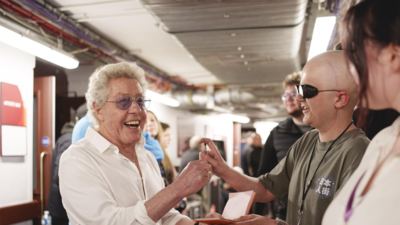
The initiative was founded by Sir Roger Daltrey, the lead singer of British rock band The Who, who wanted to use the music industry’s influence to support teenagers and young adults diagnosed with cancer. The inaugural concert took place at the Royal Albert Hall in November 2000, with Daltrey and his band joined on stage by musicians including Noel Gallagher, Bryan Adams, Paul Weller, Eddie Vedder, Nigel Kennedy and Kelly Jones.Daltrey believed that music offered an opportunity to bring together artists and audiences for a cause that directly affected young people. Speaking about the original idea, he highlighted how much the music industry owed to teenagers, whose enthusiasm had helped shape rock and roll. The concerts gradually became an annual fundraising event, attracting some of the biggest names in music and comedy. According to the charity, more than 500 artists have donated their time and talent since the series began.Performers who have appeared at the Royal Albert Hall shows over the years include Paul McCartney, Oasis, The Who and Kasabian, alongside numerous other established and emerging artists.
150 shows and more than £36 million raised
The 150th show took place in March 2026, when Manic Street Preachers performed at the Royal Albert Hall. The year’s programme was curated by Robert Smith of The Cure and also featured artists including Elbow, Mogwai, My Bloody Valentine, Garbage and Placebo. The milestone reflects the scale of the fundraising effort built around the concerts. The more than £36 million raised has helped Teenage Cancer Trust provide specialist nursing care, expert youth support and hospital environments designed around the needs of young patients.The charity has also highlighted the wider reach of the initiative. Its Royal Albert Hall concerts have sold more than 500,000 tickets and generated funding equivalent to over a million hours of specialist care, according to figures shared when Daltrey stepped down from leading the concert series in 2024. In 2017, the event celebrated another major milestone when it reached 100 Royal Albert Hall shows. The Who, the band that helped launch the original concerts, returned to perform that year.
Daltrey’s contribution recognised with a knighthood
Daltrey’s involvement with Teenage Cancer Trust extended well beyond organising concerts. He was the driving force behind the annual fundraising shows for more than two decades and continues to support the organisation as its Honorary Patron. In June 2025, he received a knighthood in King Charles III’s Birthday Honours for his services to charity. The Teenage Cancer Trust congratulated him, recognising his contribution to raising funds and improving support for young people with cancer.At the time, Daltrey said he accepted the honour on behalf of the many people who had helped make the charity successful. He also acknowledged the contribution of The Who, its fans and the individuals who had supported the organisation over the years. The charity said the concerts had helped it develop a network of 28 specialist units in NHS hospitals across the UK.
Why specialist cancer care matters for teenagers
Teenage Cancer Trust focuses on the particular needs of young people aged 13 to 24, whose experiences of cancer treatment can differ from those of children and older adults. The organisation says seven young people in the UK receive a cancer diagnosis every day. Its work includes providing specialist nurses, support teams and hospital environments that help patients maintain a sense of normality during treatment. The charity also highlights gaps in cancer services, including access to mental health support, timely diagnosis and clinical trials.For Daltrey, the 150-show milestone represents the collective contribution of musicians, audiences, organisers and supporters who have helped sustain the initiative since 2000. What began as a series of charity concerts has developed into a long-running fundraising effort, with its impact extending beyond the stage and into specialist care for thousands of young people.