








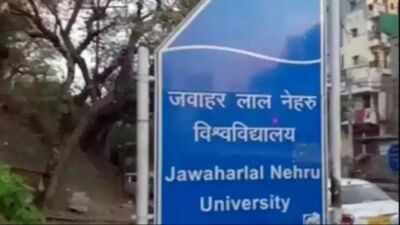
NEW DELHI: From its centuries-old traditions of learning and literature to its cultural and spiritual identity, Prayagraj’s legacy took centre stage at Jawaharlal Nehru University (JNU), where over 450 people with connections to the city gathered for ‘Prayag Utsav 2026’.Organised by Shankh Initiatives as part of ‘Prayag-Delhi Sangam 2026’, the festival brought together academics, writers, artists, professionals and former residents of Prayagraj living in Delhi-NCR. The event, held at JNU’s Convention Centre, featured discussions on the city’s intellectual history, literary contributions and contemporary cultural identity.Addressing the valedictory session, Uttar Pradesh cabinet minister Nand Gopal Gupta ‘Nandi’ said Prayagraj’s identity extended beyond its geographical boundaries, connecting people through shared memories and traditions.Referring to the confluence of the Ganga, Yamuna and the traditionally revered Saraswati, he said the city’s spiritual and intellectual heritage continued to influence generations. He also acknowledged the efforts of Prime Minister Narendra Modi, Union home minister Amit Shah and UP chief minister Yogi Adityanath in promoting India’s cultural heritage.Former UP minister Siddharth Nath Singh, who inaugurated the festival, said such initiatives helped connect Prayagraj’s literary and cultural traditions with contemporary academic discourse. He emphasised the importance of engaging younger generations with their cultural roots.Professor Anand Shankar Singh, principal of Iswar Saran Degree College, described Prayagraj’s intellectual heritage as a living tradition that continued to shape contemporary thought.
Share your thoughts in the comments
Be respectful · TOI community guidelines
Shri Lal Bahadur Shastri National Sanskrit University vice-chancellor Murli Manohar Pathak also spoke on India’s knowledge traditions.Two panel discussions examined Prayagraj’s historical significance and contributions to education and literature. Kathak performances, folk music, poetry recitations and musical presentations formed the cultural programme, bringing together different generations with enduring ties to the city.